Growth Mindset I Can t Becomes I Can: A Designer’s Review
As an embroidery designer who spends more time staring at stitch simulations than actual fabric, I have learned to be skeptical of digital previews. What looks crisp on a monitor can turn into a tangled mess under the needle if the digitizing isn’t up to par. That is why I took a close, critical look at Growth Mindset I Can t Becomes I Can. This isn’t just another clipart file; it is a statement piece aimed squarely at the education sector, but its utility extends far beyond the classroom. For those of us running craft businesses, selling on Etsy, or creating personalized gifts, understanding how this design translates from a digital embroidery file to a tangible finished product is crucial.
First Impressions and Visual Personality
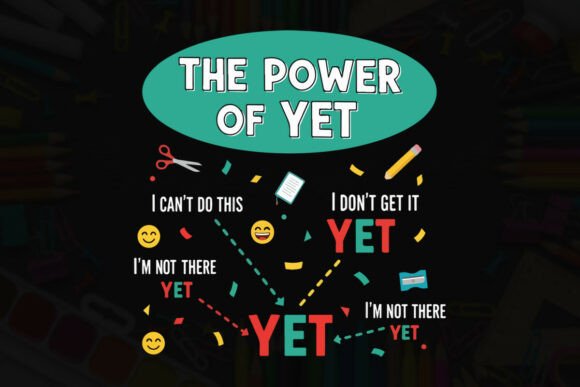
The immediate mood of Growth Mindset I Can t Becomes I Can is empowering yet approachable. The typography strikes a balance between bold authority and handwritten warmth, which is essential when targeting educators. In the context of T-Shirt Designs, this kind of graphic needs to stand out without screaming. The layout suggests a thoughtful hierarchy, likely utilizing a mix of satin stitch for emphasis and fill stitch for broader areas, though the exact execution depends on the specific digitizing choices made by the creator.
What appeals to me most is the narrative arc within the design itself. It transforms a limitation into a capability, a concept that resonates deeply with parents, teachers, and lifelong learners. Visually, the design feels grounded. It doesn’t rely on overly intricate details that might get lost in translation, making it a strong candidate for various embroidery projects. However, as a reviewer, I look past the sentiment to the mechanics. How does the letter spacing hold up? Are the curves smooth enough for a running stitch outline, or do they require dense coverage? These are the questions that determine whether a design is merely cute or commercially viable.
Real-World Application: The Teacher Appreciation Tote
To test the practicality of Growth Mindset I Can t Becomes I Can, I imagined a common scenario: preparing a batch of custom tote bags for end-of-year teacher gifts. Canvas is a forgiving medium, but it has texture. A design like this needs to bridge the gap between the weave of the fabric and the sheen of the thread.
In this real-life case, the design’s bold nature works in its favor. On a natural cotton canvas, using high-contrast thread colors—perhaps a deep navy or charcoal against the beige fabric—the text would pop beautifully. The stitch density appears sufficient to cover the fabric texture without creating a stiff, cardboard-like patch. For an Etsy seller or small shop owner, this versatility is key. You aren’t just selling a bag; you are selling a sentiment that feels handcrafted and intentional. The design fits naturally into the handmade product aesthetic, avoiding the cheap, printed-on look that plagues mass-produced items.
Beyond tote bags, consider sweatshirt embroidery. Here, the plush texture of fleece or French terry requires careful stabilization. If Growth Mindset I Can t Becomes I Can is digitized with proper underlay stitches, it will sit flat and remain legible. This makes it an excellent choice for custom apparel lines targeting school staff or educational conferences. The design’s scalability means it could also work as a smaller chest logo or a larger back print, depending on the hoop size available.
Navigating Technical Challenges
While the design is robust, it is not without its pitfalls. Embroidery designers must exercise caution when applying Growth Mindset I Can t Becomes I Can to challenging surfaces. For instance, curved items like caps present a unique hurdle. The distortion inherent in cap embroidery can warp text, especially if the design includes long horizontal lines. If you plan to use this on a hat, ensure you are using a sturdy stabilizer and perhaps reducing the overall size slightly to maintain proportion.
Another area of concern is fabric type. On thin or stretchy fabrics, such as performance tees or lightweight baby clothes, the weight of the stitches matters. If the design relies heavily on dense fill stitch areas, it could pucker the material. In these cases, testing on scrap fabric is non-negotiable. You need to verify that the stitch density doesn’t overwhelm the garment. For baby embroidery, comfort is paramount; a design that feels scratchy or stiff will not result in repeat customers.
Dark fabrics also pose a challenge, particularly if the design includes fine details or light-colored threads. Without proper contrast, the message can get lost. I recommend creating black-and-white mockups to check readability before committing to thread selection. If the design lacks sufficient contrast in monochrome, it may need adjustment or a different color palette to ensure clarity on darker backgrounds.
Enhancing Brand Value and Customer Trust
From a business perspective, the quality of your design assets directly impacts perceived value. Using a well-digitized file like Growth Mindset I Can t Becomes I Can signals professionalism. Customers may not know the technical terms, but they recognize quality stitching. Clean edges, consistent tension, and clear lettering build trust. This is particularly important for commercial embroidery projects where brand consistency is vital.
For small shop products, this design offers flexibility. It can be marketed as part of a broader "Growth Mindset" collection, appealing to parents, coaches, and corporate trainers. Its adaptability allows for creative bundling—pairing an embroidered apron with a matching tea towel, for example. This increases the average order value and enhances the giftability of the items. When customers see a cohesive, high-quality printable mockup or actual photo of the stitched design, their engagement increases. They are not just buying a product; they are buying into a narrative of improvement and resilience.
Practical Notes for the Embroidery Professional
Before you load Growth Mindset I Can t Becomes I Can into your machine, take a moment to review the technical specifics. Since the provided description does not list exact stitch counts, file formats, or license terms, you must verify these details with the source. Confirm whether the file is compatible with your specific machine brand and model. Check if it comes in multiple hoop size variations, as this affects placement options.
- Test on Scraps: Always run a test stitch-out on the same fabric type you intend to use for the final product. This reveals issues with tension, density, or registration.
- Check Contrast: Ensure your chosen thread colors provide enough contrast against the fabric background for maximum readability.
- Stabilizer Selection: Match your stabilizer to the fabric weight. Heavier fabrics may need cut-away stabilizer for durability, while lighter fabrics might benefit from tear-away to reduce bulk.
- Licensing Verification: If you plan to sell finished items or use the design in commercial products, confirm the license terms. Some digital embroidery files allow personal use only, while others permit commercial sales.
- Inspect Details: Zoom in on the digitized preview. Look for potential jump stitches or unnecessary trims that could slow down production or affect aesthetics.
In conclusion, Growth Mindset I Can t Becomes I Can is a compelling addition to any designer’s library. It balances emotional resonance with practical application, making it suitable for a wide range of embroidery projects. By approaching it with a critical eye and adhering to best practices in stitching and stabilization, you can transform this graphic into a high-value personalized gift or bestselling small shop product. Remember, the difference between a good design and a great finished product lies in the execution. Take the time to understand the nuances of this file, and it will serve your business well.