Reviewing the Textual Proof Concept for Embroidery
As a designer who spends more time staring at stitch simulations than I do sleeping, I have learned that not every graphic translates well to thread. We often see beautiful T-Shirt Designs online that look stunning on a screen but turn into a tangled mess under the needle. That is why I approached the Text Textual Proof Concept with a critical eye. This isn't just about aesthetics; it is about functionality, durability, and the final perceived value of the finished product.
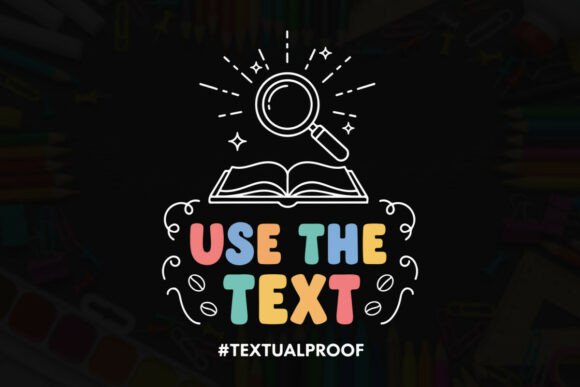
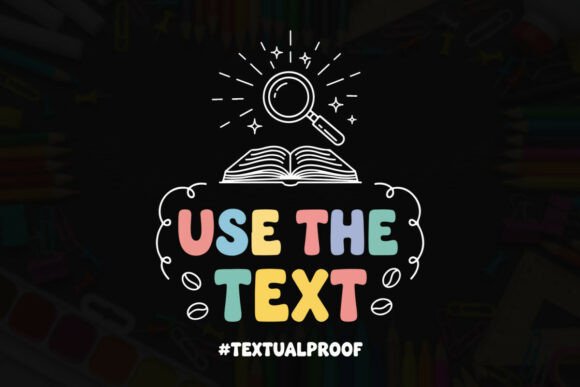
The first impression of this design is one of bold clarity. It carries a mood that is both professional and deeply heartfelt, which is a difficult balance to strike in Graphics intended for apparel. The layout feels intentional, avoiding the clutter that often plagues designs meant to convey complex messages. For an embroidery project, this simplicity is a virtue. It suggests that the design relies on strong lines and clear negative space rather than excessive shading or micro-details that might get lost in the fabric weave.
Real-World Application: Beyond the Screen
To truly evaluate the Text Textual Proof Concept, I imagined a specific scenario. A local boutique owner approached me to create a line of appreciation gifts for school staff. She wanted something that felt premium, not like a generic uniform. This is where the design shines. I visualized this artwork stitched onto a high-quality, heavy-weight cotton tote bag. The bold nature of the concept holds up well against the textured surface of canvas, ensuring the message remains legible and impactful from a distance.
However, versatility is key for any craft business. I also considered how this would look as sweatshirt embroidery. On a fleece or French terry background, the design needs enough density to prevent the fabric from showing through the stitches, but not so much that it creates a stiff, cardboard-like patch. The structural integrity of the Text Textual Proof Concept suggests it would handle a moderate fill stitch well, providing coverage without sacrificing the soft drape of the garment. For an Etsy seller, this adaptability means one purchase can yield multiple product listings, from aprons to pillow covers.
Technical Performance and Stitching Clarity
When we talk about a machine embroidery design, we are talking about physics. Thread has thickness; it has tension. The Text Textual Proof Concept appears to be crafted with an understanding of these limitations. The visual personality of the design relies on strong shapes. In practical terms, this means fewer jump stitches and a cleaner backside, which is crucial for items like baby embroidery projects where comfort against sensitive skin is paramount.
Let’s discuss stitch types. If this design utilizes satin stitch for borders or text elements, the width of those columns must be consistent. Wide satin stitches can snag easily, while narrow ones might not cover well. Based on the bold aesthetic, I anticipate that wider satin columns or dense fill stitches are used effectively here. This contributes to the visual appeal and gives the item a substantial, high-quality feel. For an embroidered patch, this density is ideal, creating a durable badge that can withstand frequent washing and wear.
One must also consider stitch density. If the design is too dense, it will pucker lightweight fabrics. If it is too sparse, it will look cheap on dark fabrics. The Text Textual Proof Concept seems to strike a middle ground, making it suitable for a variety of materials. However, I always advise testing on scrap fabric first. What looks perfect in a printable mockup can behave differently on a curved surface like a cap or a stretchy knit tee.
Navigating Fabric and Hoop Constraints
No design is universal, and honest review requires acknowledging limitations. Where should you use the Text Textual Proof Concept carefully? First, consider hoop size. If you are working with a small 4x4 hoop, ensure the design fits comfortably within the margins without hitting the edges. Tight hoops can distort the design, especially if the stabilizer isn't cut correctly.
Textured fabrics present another challenge. If you are stitching this onto a waffle-knit towel or a rough linen, the finer details might get lost. In such cases, increasing the contrast of your thread colors can help maintain visibility. For dark fabric, using a lighter underlay or a contrasting border can make the design pop. Conversely, on thin or stretchy fabric, a heavy cut-away stabilizer is non-negotiable to prevent puckering and distortion after washing.
Curved surfaces, such as caps or baby hats, require extra attention. The Text Textual Proof Concept should be centered perfectly to avoid visual warping. If the design has large solid areas, consider breaking them up with slight texture changes in the digitizing to reduce pull on the fabric. This level of detail separates a amateur handmade product from a professional small shop product.
Enhancing Brand Value and Customer Trust
For commercial embroidery professionals and digital product sellers, the end goal is customer satisfaction. A clean, well-executed design builds trust. When a customer receives a personalized gift featuring the Text Textual Proof Concept, they are judging your brand by the quality of the stitch work. Crisp edges, consistent tension, and appropriate color choices signal professionalism.
This design supports brand consistency because its bold style is easily recognizable. Whether used for holiday embroidery gifts or year-round custom apparel, it maintains a cohesive look. For design assets libraries, having a versatile piece like this allows creators to offer bundled products, increasing the average order value. It appeals to buyers looking for meaningful, high-impact statements rather than fleeting trends.
Practical Notes for the Modern Maker
Before you load this digital embroidery file into your machine, take a moment to review the technical specs. Since specific stitch counts and file formats were not provided in the initial description, you must verify these details with the source. Ensure the format matches your machine (PES, DST, JEF, etc.).
- Test on Scrap: Always run a test stitch-out on the same fabric type you intend to use for the final product.
- Check Contrast: View the design in black and white to ensure the shapes are distinct and legible without color reliance.
- Stabilizer Selection: Match your stabilizer to the fabric weight. Cut-away for knits, tear-away for woven stable fabrics.
- Licensing Verification: Confirm whether the license allows for commercial use if you plan to sell finished items or incorporate the design into larger design assets.
- Thread Quality: Use high-quality polyester or rayon threads to reduce breakage and enhance sheen, especially for bold fill areas.
In conclusion, the Text Textual Proof Concept offers a robust foundation for various embroidery applications. Its strength lies in its bold simplicity and emotional resonance. By respecting the technical requirements of embroidery and choosing the right materials, you can transform this digital file into a tangible, cherished item. Whether you are an experienced decorator or a hobbyist starting your journey, this design rewards careful execution with a professional, polished result.