Reviewing Hello Second Grade PNG for Embroidery
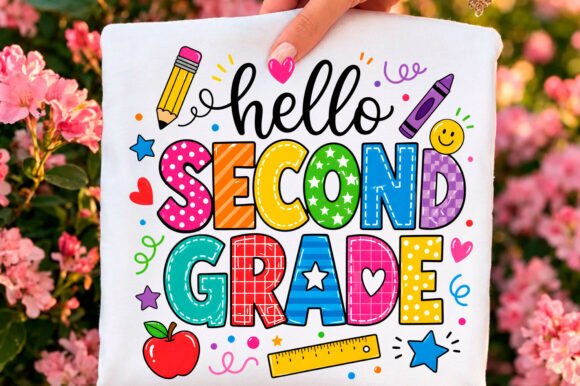
As a designer who spends half my life digitizing and the other half stitching, I have learned that not every graphic translates well to thread. When I first pulled up the Hello Second Grade School Supplies PNG, my initial reaction was one of cautious optimism. The visual personality is cheerful and nostalgic, tapping into that specific back-to-school excitement that parents and teachers love. However, viewing a high-resolution image on a screen is vastly different from watching a needle punch through fabric. For embroidery designers, small business owners, and Etsy sellers, the question is never just "does it look cute?" but rather "will this stitch out cleanly without puckering or breaking threads?"
First Impressions and Visual Mood
The mood created by this design is undeniably playful. It captures the essence of early elementary education with a layout that feels organized yet whimsical. For those of us creating custom apparel or handmade products, this aesthetic is gold. It appeals directly to the target demographic: proud parents of second graders, teachers preparing for the new year, and gift-givers looking for something personalized. The shape and theme suggest a design that belongs on items meant to be seen and celebrated, such as tote bags, sweatshirts, or even decorative pillows in a classroom setting.
From a graphical standpoint, the T-Shirt Designs category often relies on bold lines and clear contrast, which this PNG appears to offer. However, as an experienced reviewer, I look closer at the detail level. In embroidery, tiny details can become lost in the stitch structure. The "school supplies" motif likely includes elements like pencils, apples, or books. These shapes need to be substantial enough to hold a fill stitch or a clean satin stitch border. If the original graphic has too many micro-details, they may need to be simplified during the digitizing process to ensure stitching clarity.
Real-World Application: The Back-to-School Tote
To truly evaluate how Hello Second Grade School Supplies PNG performs, let’s imagine a real-life scenario. I am preparing a custom embroidered tote bag for a local boutique client. The goal is a durable, washable item that a seven-year-old can carry their library books in. This is where the rubber meets the road. A tote bag is typically made of canvas or heavy cotton, which provides a stable base for embroidery. However, the fabric texture can influence how the final product looks.
If I were to digitize this PNG for a tote bag design, I would prioritize stitch density. Too dense, and the fabric will pucker; too loose, and the backing might show through. The transparent background of the PNG is helpful here, allowing me to isolate the main elements easily. I would likely use a combination of running stitch for finer outlines and fill stitches for the larger shapes like apples or book covers. The result should be a tactile, raised texture that adds value to the finished product. Customers often equate the quality of embroidery with the perceived value of the item, so clean edges and consistent tension are non-negotiable.
Navigating Fabric and Hoop Constraints
While this design shines on sturdy fabrics, there are areas where caution is required. If you are planning to use this for baby embroidery on a soft onesie or a delicate blanket, you must consider the hoop size and stabilizer choice. Smaller hoop sizes mean you might need to scale the design down. When scaling down, those intricate school supply details could merge together, creating a muddy look. I always advise testing the design on scrap fabric first, especially when working with stretchy or thin materials.
Dark fabrics present another challenge. If you are stitching this onto a navy blue sweatshirt embroidery project, you need to ensure your thread colors have enough contrast. A white pencil on a dark background works well, but lighter pastels might get lost. I recommend creating black and white mockups to check the silhouette before committing to thread. Additionally, for curved surfaces like caps, the design layout must be adjusted to account for the curvature. A wide, horizontal layout might distort on a cap front, so verifying the aspect ratio is crucial.
Commercial Viability and Brand Consistency
For Etsy sellers and craft business owners, consistency is key. Using Hello Second Grade School Supplies PNG across a product line can help build brand recognition. Imagine offering this design on aprons for teachers, patches for backpacks, and even kitchen towels for end-of-year gifts. This versatility makes it a strong asset for commercial embroidery projects. However, it is vital to confirm licensing terms. Since this is a PNG file intended for various uses, including PODs and print, you must ensure that your specific use case—particularly selling physical embroidered goods—is covered.
The visual appeal of this design contributes significantly to buyer engagement. In a crowded marketplace, a clean, professional-looking embroidery stands out. It signals to the customer that the maker cares about quality. Whether it is a personalized gift for a nephew starting second grade or a bulk order for a school fundraiser, the professionalism of the stitch-out reflects on your brand. High-quality design assets like this PNG provide the foundation for that professionalism, but the execution lies in the digitizing and stitching.
Practical Designer Notes for Best Results
Before you load this file into your digitizing software or send it to production, keep these practical tips in mind:
- Test on Scrap Fabric: Always run a test stitch-out on the same type of fabric you plan to use for the final product. This helps identify issues with tension or density.
- Check Thread Contrast: Ensure your chosen thread colors pop against the fabric. Use a color wheel to find complementary shades that enhance the school theme.
- Review Stitch Density: Adjust the density based on the fabric weight. Heavier fabrics can handle more density, while lightweight materials require a lighter touch to prevent puckering.
- Confirm Hoop Size: Make sure the design fits comfortably within your hoop, leaving enough margin for stabilization.
- Inspect Small Details: Zoom in on the PNG to see if any lines are too thin to stitch. You may need to thicken certain elements during digitizing.
- Use Proper Stabilizer: Choose the right stabilizer for your fabric. Cut-away stabilizers are often best for garments that will be washed frequently.
- Verify Licensing: Double-check the license agreement for the PNG to ensure you are compliant when selling finished items or using it in commercial projects.
In conclusion, Hello Second Grade School Supplies PNG offers a charming and versatile foundation for a variety of embroidery projects. Its strength lies in its thematic relevance and visual clarity. However, its success in the real world depends entirely on how well it is adapted for thread. By paying attention to fabric texture, stitch density, and proper stabilization, you can transform this digital graphic into a high-quality embroidered patch, garment, or home decor item that delights customers and elevates your craft business. Remember, the best designs are those that look as good in hand as they do on screen.